
Introduction
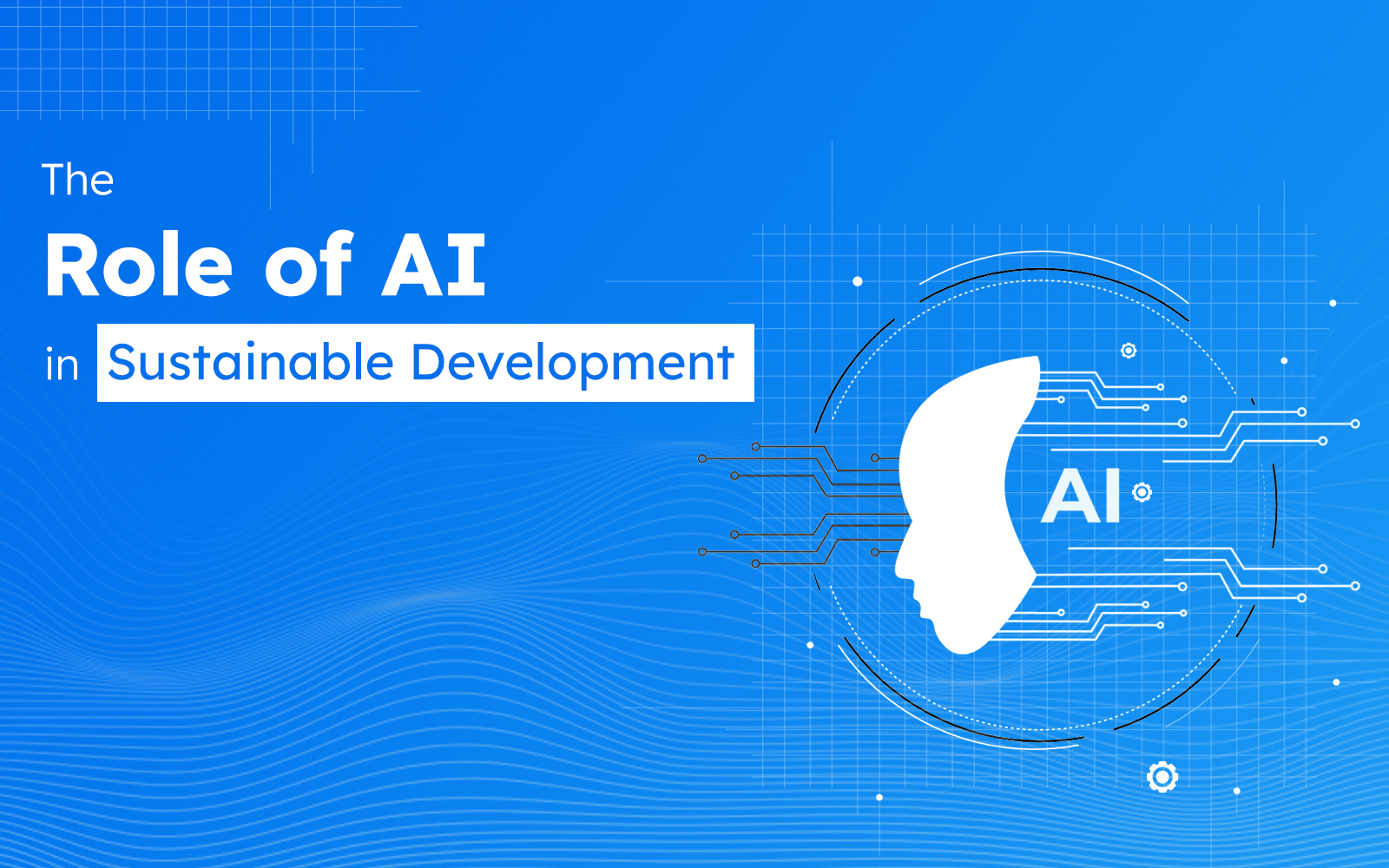
In the quest for a more sustainable future, the role of Artificial Intelligence (AI) has become increasingly vital. From AI in environmental protection to its integration in achieving Sustainable Development Goals (SDGs), the potential of AI to revolutionize our approach to sustainability is immense. This blog explores the multifaceted ways in which AI is contributing to sustainable development and addressing some of the most pressing environmental challenges of our time.
AI and Environmental Protection:
The first frontier in this journey is AI’s role in environmental protection. By analyzing vast datasets, AI systems can predict environmental trends and offer solutions to mitigate risks. Environmental monitoring with AI, for instance, plays a crucial role in tracking pollution levels, deforestation rates, and wildlife activities, enabling proactive responses to ecological threats.
Sustainable Development Goals and AI:
The United Nations’ Sustainable Development Goals (SDGs) serve as a blueprint for a more sustainable future. AI is instrumental in achieving these goals, providing innovative solutions in areas ranging from poverty alleviation to quality education. AI-driven data analysis aids in understanding complex global challenges and devising effective strategies to address them.
AI Solutions for Climate Change:
Perhaps the most significant challenge of our era, climate change, is also where AI shows great promise. AI solutions for climate change include predicting weather patterns and natural disasters, enabling better preparedness and response. AI for carbon footprint reduction is another critical area, helping industries and individuals reduce their environmental impact.
Renewable Energy and AI:
AI in renewable energy is revolutionizing how we harness and distribute sustainable power. Smart grids powered by AI optimize energy flow, reducing waste and increasing efficiency. AI algorithms also enhance the performance and maintenance of renewable energy sources like solar and wind power.
Sustainable Agriculture and AI:
In the agricultural sector, AI for sustainable agriculture is transforming farming practices. From precision agriculture that minimizes resource use to AI-driven pest control that reduces the need for chemicals, the integration of AI is making farming more sustainable and productive.
AI in Waste Management and Water Conservation:
AI in waste management has led to smarter recycling processes and waste reduction strategies. Similarly, AI for water conservation is crucial in managing the world’s water resources, predicting shortages, and identifying leaks and inefficiencies in water distribution systems.
Eco-Friendly AI Innovations:
Beyond specific applications, the concept of green AI technologies focuses on making AI itself more eco-friendly. This includes designing energy-efficient data centers and reducing the carbon footprint of AI operations.
AI in Urban and Biodiversity Planning:
Sustainable urban planning benefits from AI through optimized traffic management, energy use, and infrastructure development. AI in biodiversity conservation plays a pivotal role in tracking and protecting endangered species and ecosystems.
Sustainable Supply Chains and Transportation:
AI for sustainable supply chains ensures more efficient and less resource-intensive logistics. In transportation, AI and sustainable transportation solutions are leading to smarter, cleaner public transit systems and electric vehicle advancements.
AI-Driven Environmental Policy:
Finally, AI-driven environmental policy can lead to more informed and effective regulations. By providing policymakers with accurate data and predictions, AI aids in crafting policies that better address environmental issues.
Conclusion
The intersection of AI and sustainable development offers a beacon of hope in addressing global environmental challenges. From AI solutions for climate change to its role in renewable energy and sustainable agriculture, AI’s potential to aid in achieving a more sustainable world is undeniable. As we continue to innovate and integrate AI into various sectors, it is crucial to do so responsibly, ensuring that AI itself remains sustainable and ethical.